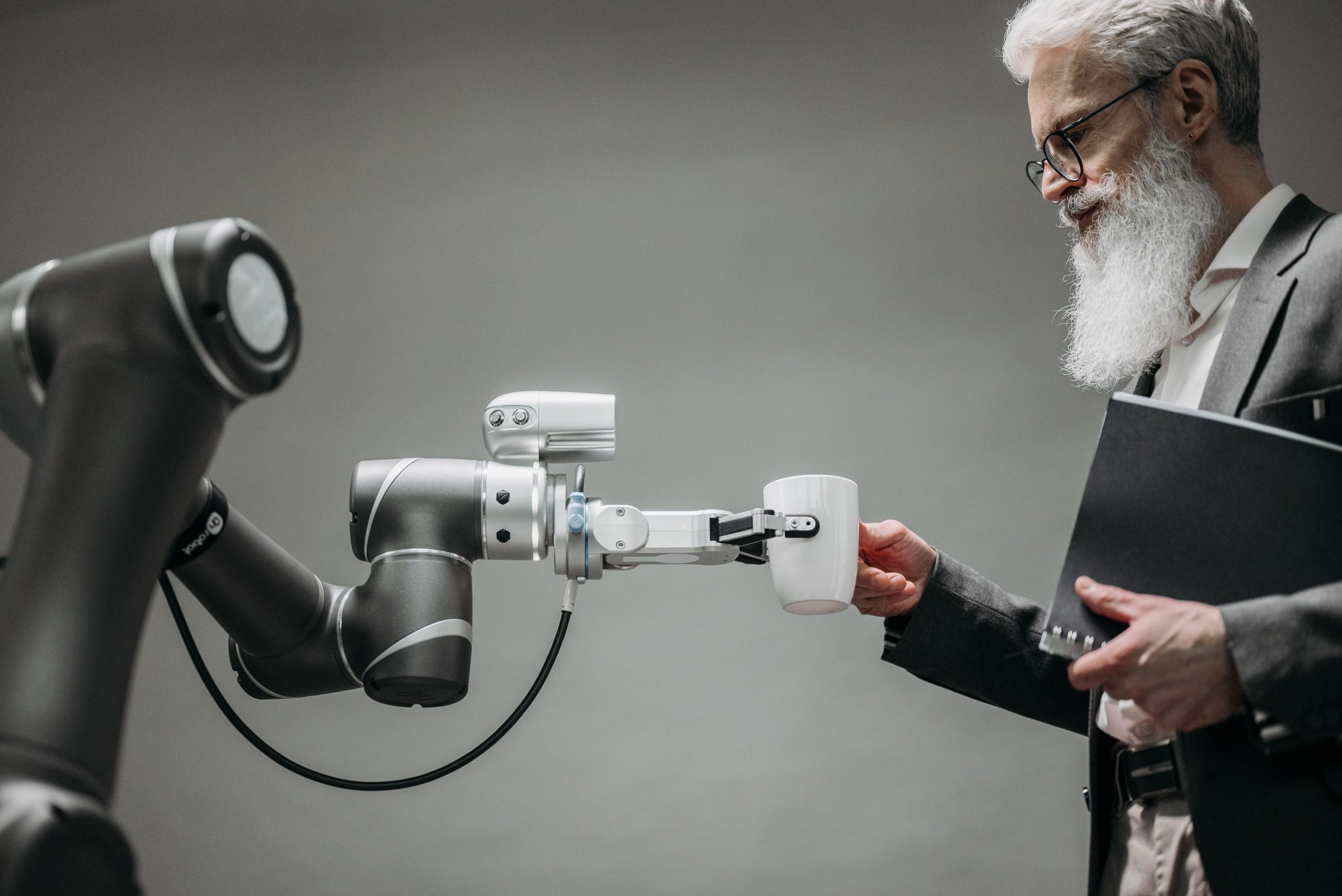
As artificial intelligence continues to automate office tasks, generate code, and reshape digital industries, professionals worldwide are asking a critical question: Which careers are truly safe from automation?
While algorithms excel at data analysis and routine digital production, they fall completely short when it comes to hands-on care, physical touch, and genuine human connection. This shift has sparked a major resurgence in tactile, wellness-focused professions.
Among these, professional wellness therapy stands out as one of the most resilient fields. Investing in accredited massage training courses isn’t just about learning physical techniques—it’s about mastering the high-EQ, human-centered skills that no machine can ever replicate.
The AI Resistance: Why Physical Touch Cannot Be Automated
The reason hands-on wellness careers remain secure lies in the complexity of human interaction. An algorithm can analyze a medical report or write a wellness plan, but it cannot read the subtle muscle tension of a client, adapt pressure in real time based on verbal feedback, or provide empathetic comfort.
Wellness therapy relies on three core pillars that AI lacks:
- Nuanced Tactile Feedback: Adjusting physical pressure instantly based on muscle density, client comfort, and joint mobility.
- Emotional Empathy & Safety: Creating a safe, calming environment where clients feel heard and cared for.
- Real-Time Adaptability: Every human body is different, requiring individualized, intuitive care during every single session.
What You Learn in Professional Massage Training Courses
Modern massage training courses go far beyond basic technique. They offer a comprehensive blend of science, practical skill, and interpersonal communication designed to build a sustainable, future-proof career.
When enrolling in a professional program, students typically gain expertise in:
- Anatomy and Physiology: Understanding the musculoskeletal system, biomechanics, and how stress physically manifests in the body.
- Diverse Therapeutic Techniques: Mastering modalities such as Swedish, deep tissue, sports recovery, and neuromuscular therapy.
- Client Communication & EQ: Learning how to conduct intake assessments, listen actively to client concerns, and build long-term trust.
- Ethics and Business Management: Understanding professional boundaries, hygiene standards, and private practice operations.
Moving Beyond Code: The Rise of High-EQ Professions
The modern workforce is undergoing a shift in value. Tasks that are purely analytical are becoming commoditized by software, while high-EQ (Emotional Intelligence) and high-touch skills are becoming premium services.
By combining specialized physical skills with interpersonal warmth, wellness professionals offer something automation cannot match: authentic human presence. Whether working in clinical rehabilitation, luxury spas, sports centers, or private practice, individuals who complete structured training are entering a market with enduring demand.
Future-Proofing Your Career Today
If you are looking to transition into a field that offers job security, personal fulfillment, and insulation from tech-driven layoffs, exploring certified massage training courses is a powerful first step.
In a world increasingly dominated by screens and automation, the value of skilled human hands and genuine care has never been higher. Embracing a career built on physical well-being and emotional intelligence ensures you stay relevant, no matter how fast technology evolves.